Educational guide to reading winter preparation inspection reports — battery load test fields, coolant strength categories, and underbody observation vocabulary in neutral, modular language.
Why winter preparation documents look dense
Licensed facilities often combine battery, cooling, tire, and underbody observations on a single seasonal form before cold weather arrives. Field names such as load-test pass/fail classes, specific gravity columns, and freeze-point readings appear without inline definitions — which makes shop reports difficult to read without a neutral glossary.
Educational modules on seasonal maintenance describe each column as an observation category at a point in time, not as an automatic repair scope. A monitoring entry for coolant strength below manufacturer reference range, for example, indicates documented measurement context — authorization for fluid service remains between you and your chosen provider.
Battery observation fields explained
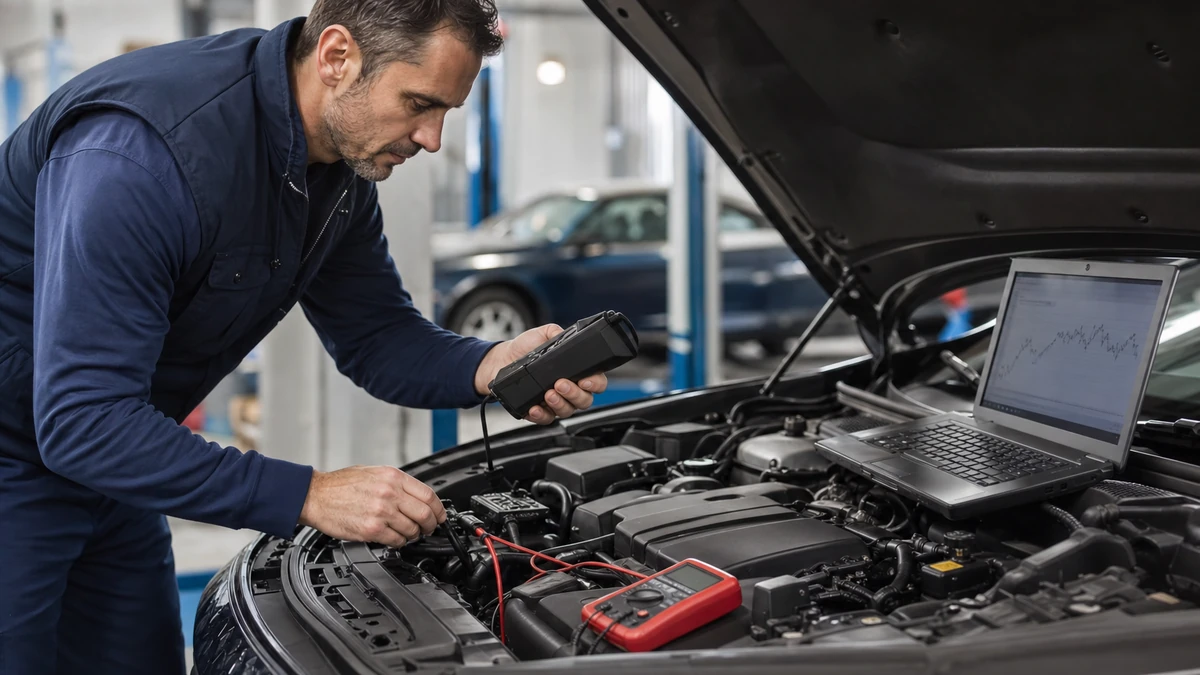
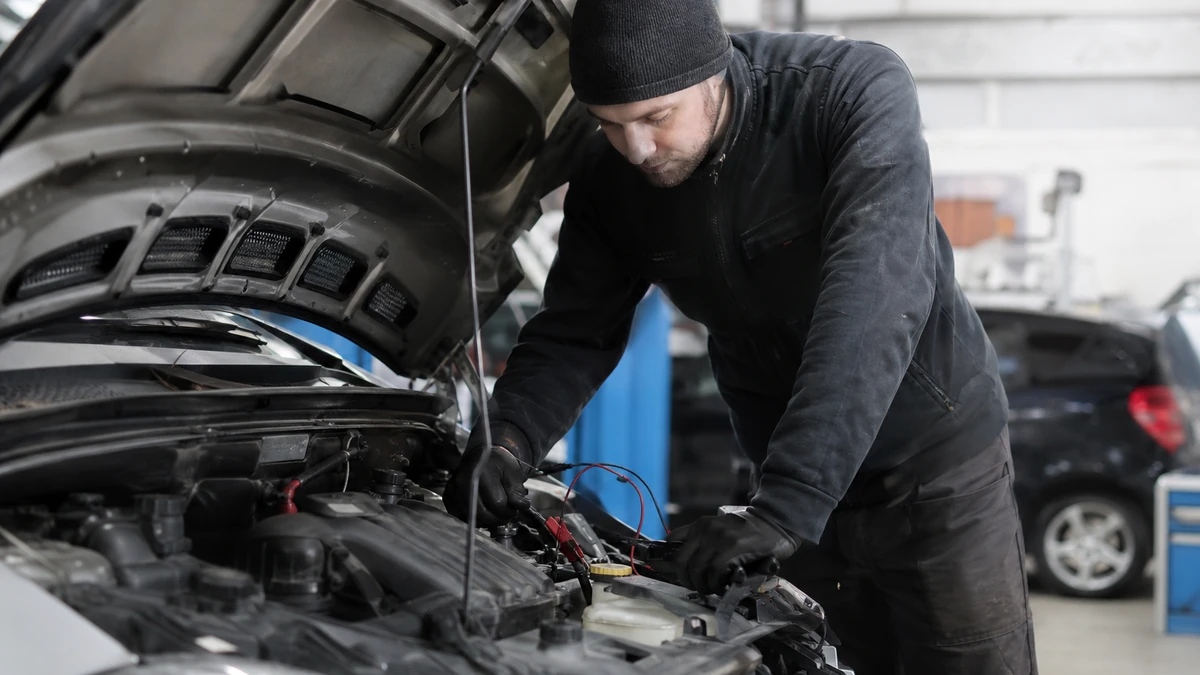
Winter preparation reports typically list cranking voltage under load, state-of-charge percentage, terminal condition classes, and alternator output correlation when available. Modules define these fields so owners can prepare focused questions: which test equipment was used, under what temperature conditions, and whether prior seasonal notes were cross-referenced.
Parasitic draw monitoring may appear on vehicles with aftermarket accessories or frequent short-trip use patterns. Understanding draw observation classes helps distinguish documentation fields from remote diagnosis — hands-on evaluation at a licensed facility remains authoritative.
- Cranking voltage under load: Voltage reading captured during simulated start conditions — often compared to manufacturer cold-cranking reference tables.
- Terminal corrosion class: Visual observation category for post and cable condition — may note cleaning performed or monitoring recommended.
- State-of-charge percentage: Electronic battery tester output — distinct from load-test pass/fail summary on some shop portals.
Cooling system documentation literacy
Coolant strength measurements appear alongside hose condition notes, reservoir level observation, and thermostat response categories on winter prep forms. Educational content separates measurement fields from interpretation: a borderline freeze-point reading may warrant licensed follow-up without implying a specific fluid brand or service package.
Vehicles with recent head gasket work or prior overheating events may show additional observation classes. When inspection notes reference prior repair context, include that history in your shop dialogue — context fields prevent misreading a monitoring entry as an immediate replacement directive.
Artificial intelligence in editorial workflows
Some editorial drafts on seasonal maintenance topics use artificial intelligence to organize dense inspection vocabulary under human verification. AI-assisted sections are labeled where applicable and describe document formats — they do not replace technician measurements or manufacturer service procedures.
When AI-generated summaries appear in third-party shop portals, treat them as orientation aids. Primary technician entries and measurement logs remain the authoritative source for any operational decision about your vehicle.
Financial planning vocabulary in service documents
Maintenance planning spreadsheets may include seasonal service line items, fluid type reference fields, and interval tracking columns. Modules present these as neutral document labels for household logs — separate from shop quoting or parts selection. Learning how to read budget planning fields supports structured shop conversations without predicting operational totals.
Document literacy across multiple seasonal visits
When reviewing winter preparation reports over time, owners learn to align date stamps, mileage entries, and technician initials across visits. A battery log from one appointment may reference prior load-test observations — educational modules explain how cross-referencing fields builds a neutral timeline without predicting future shop scope.
Household maintenance spreadsheets often mirror shop portal categories. Our reference format describes column headers such as observation class, freeze-point context, and follow-up monitoring — vocabulary for personal logs, not operational mandates.
Climate context on inspection forms
Denver-area seasonal checks may note altitude, temperature at test time, and recent driving pattern context when battery or coolant observations vary from prior visits. Understanding context fields prevents misreading a monitoring entry as an immediate replacement directive.
Using cenogenesis as reference before shop authorization
Educational modules on cenogenesis.info describe documentation formats, glossary entries, and neutral planning vocabulary for seasonal vehicle review. Content supports orientation and structured shop dialogue — it does not replace hands-on evaluation by a licensed repair facility or manufacturer service procedures.
When observations involve steering, brakes, restraint systems, high-voltage components, or structural assemblies, we recommend consulting a qualified workshop before authorizing service. cenogenesis explains learning formats and information delivery; operational decisions remain your responsibility together with your chosen service provider.
For terminology questions about this article or related modules, use our contact form. The editorial team responds through a 24/7 message queue from our Denver coordination office at 1801 California Street, Suite 2400, Office 2412, Denver, CO 80202, United States.