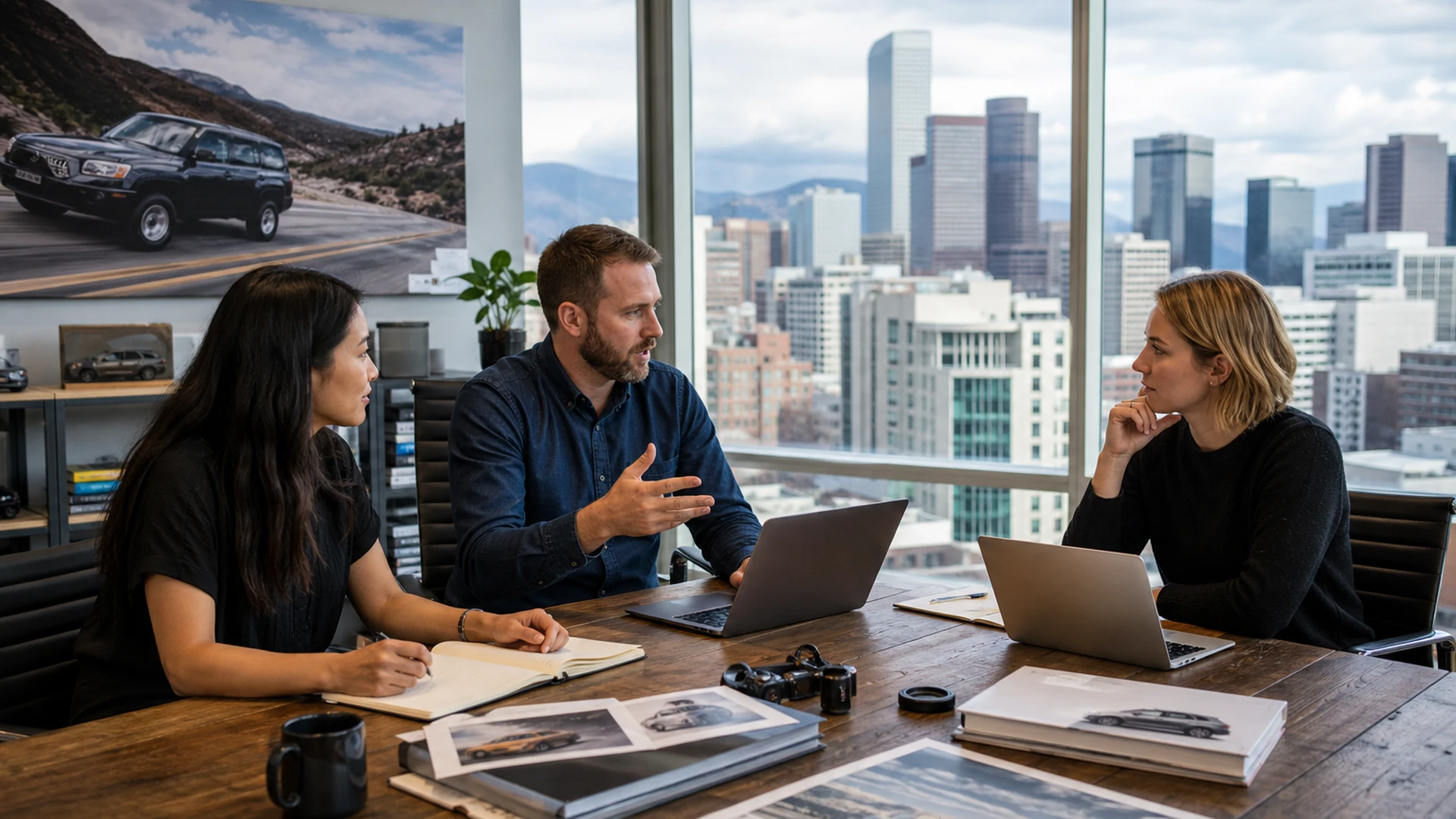
Editorial team planning seasonal vehicle maintenance educational materials in Denver office, 1920x1080

About cenogenesis

Building literacy for seasonal vehicle maintenance

cenogenesis — professional vehicle preparation for every season. The platform helps vehicle owners conduct seasonal maintenance on schedule and prevent breakdowns through structured learning formats, neutral inspection vocabulary, and reference modules.

How the program developed

The idea for cenogenesis grew from conversations between shop communication staff, fleet coordinators, and owners reviewing vehicles before winter and summer intervals. Recurring frustration: inspection reports contained thorough field entries, yet column headers for battery logs, A/C performance exports, and tire wear classes remained opaque without a neutral glossary.

Early reference work in Denver

Editorial founders began documenting battery load-test field names and coolant strength observation categories for vehicles entering cold-season service. Early modules translated shop portal vocabulary for owners who received dense seasonal reports without accessible definitions.

The focus remained on information formats and learning structures — not remote diagnosis or repair authorization.

Summer and diagnostics expansion

With growing reader questions about A/C performance documentation and fluid level categories, we expanded into engine scan export literacy, auto electrical observation modules, and comprehensive inspection field definitions.

Specialist reviewers joined to verify terminology against licensed facility report formats across the Mountain West region.

Nationwide reference library today

Ten focused learning tracks now cover winter preparation through practical recommendation formats. Artificial intelligence assists draft organization under human verification — always labeled as educational reference on cenogenesis.info.

Today we operate as an independent educational portal with fixed quality processes from our office at 1801 California Street, Suite 2400, Office 2412.

Editorial principles

Every module on cenogenesis follows a fixed review process. We publish content that is verifiable, accessible, and explicitly bounded as educational reference — not operational instruction for untrained repair work.

  1. 1

    Source-based terminology

    Field definitions align with typical licensed facility documentation for seasonal inspections and are updated when shop portal formats change.

  2. 2

    Neutral wording verification

    Editorial language avoids outcome claims, brand promotion, and phrasing that could be read as repair authorization.

  3. 3

    Explicit educational boundaries

    Modules state clearly that content supports orientation and shop dialogue preparation — not remote diagnosis.

Editorial quality review of seasonal maintenance educational content, 1200x800

Program overview

How the editorial program began

Seasonal maintenance questions arrive in bursts — before the first frost, before summer travel season, and after unusual weather events. Vehicle owners often receive thorough shop reports yet struggle with column headers for battery load tests, coolant strength readings, and tire compound notes without accessible definitions.

The editorial team formed around a simple goal: translate seasonal inspection vocabulary into modular reference lessons that describe information formats, learning paths, and neutral terminology — without replacing licensed technicians or manufacturer documentation.

Information delivery methods

Modules combine glossary entries, annotated sample report excerpts, and planning vocabulary for household maintenance logs. Readers progress from field definitions to structured shop dialogue preparation at their own pace.

Video and diagram supplements appear where visual context helps explain underbody inspection zones or A/C performance measurement points. All supplements remain educational — they do not demonstrate repair procedures for untrained operators.

Artificial intelligence in editorial work

Artificial intelligence assists draft organization, terminology clustering, and cross-link suggestions under human verification. AI does not author binding technical conclusions, does not interpret codes for specific vehicles, and does not replace specialist review before publication.

When readers encounter AI-generated summaries in external shop portals, we note that such summaries are orientation aids only. Primary technician entries remain authoritative for any operational decision.

Financial planning vocabulary

Some modules introduce neutral definitions for budget line items that appear on maintenance planning documents — interval tracking fields, service category labels, and reference cost columns used in household spreadsheets.

This vocabulary supports literacy about document structure. It does not predict operational totals, recommend specific service packages, or describe monetary outcomes for any household.

Editorial boundaries

Content on the portal supports orientation before and after licensed seasonal service. It does not authorize repairs remotely, does not dispatch mobile technicians, and does not replace manufacturer recall or warranty communications.

For urgent safety-related symptoms — loss of braking, steering anomalies, restraint warnings, fuel leaks, or high-voltage fault indicators — contact a licensed facility or roadside assistance immediately rather than relying on reference modules alone.

Values that guide our work

Three principles define how we research, write, and communicate with readers preparing for seasonal vehicle service.

Honest observation framing

We describe observation categories as documentation fields at a point in time, not as absolute conclusions.

Accessible technical language

Shop terminology is defined in context so motivated owners can follow modules without formal trade training.

Safety systems first

Work involving brakes, steering, restraints, or high-voltage components carries risk. We highlight safety-relevant observation classes clearly.

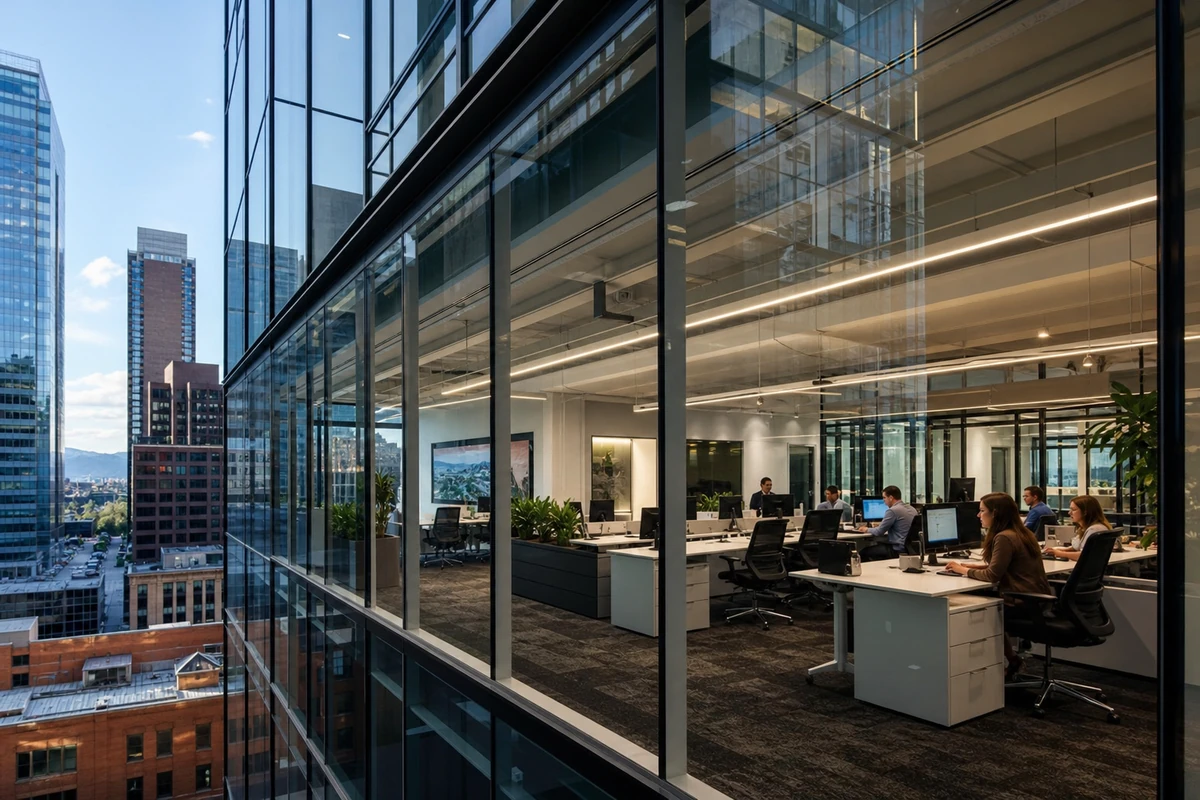
Editorial coordination office for seasonal vehicle maintenance education in downtown Denver Colorado, 1200x800

Our Denver coordination office

Editorial coordination for cenogenesis operates from our registered office on California Street in downtown Denver. The location supports United States-wide educational publishing with a Colorado-based editorial team familiar with regional seasonal service documentation practices.

Most reader inquiries are handled through email, phone, and the contact form with responses from our 24/7 message queue. In-person visits are by appointment only.

1801 California Street, Suite 2400, Office 2412
Denver, CO 80202, United States
+1 (303) 872-4196

Contact the editorial team

Suggest a glossary term, ask about module format, or request clarification on reference boundaries. We respond through our 24/7 message queue from Denver, Colorado.

Go to contact page

Explore resource articles

In-depth articles cover winter readiness, summer conditioning, brake and tire review, and engine diagnostics — written for readers preparing shop conversations before seasonal service.

View resources

Important information about using this site

cenogenesis provides educational reference material about seasonal vehicle maintenance, inspection vocabulary, and maintenance literacy — including winter and summer preparation categories, battery and tire observation fields, brake review formats, engine diagnostic documentation, auto electrical checklists, fluid replacement modules, comprehensive inspection structures, and practical recommendation outlines. Content on cenogenesis.info supports orientation and does not replace individual assessment by a licensed repair facility or manufacturer service documentation.

Technical descriptions, checklists, and field definitions are based on general practice and editorial research. Observed conditions on any vehicle depend on model year, equipment level, climate exposure, prior service history, and the qualification of the performing workshop. cenogenesis is not responsible for damage, breakdowns, or consequences arising from applying published guidance without professional verification.

References to partner workshops or cooperative networks describe editorial context for content validation — not availability of specific services, parts, or pricing at a given location. For binding quotes, warranty terms, and hands-on evaluation, contact a licensed provider directly.

When work involves steering, brakes, restraints, high-voltage components, or structural assemblies, we recommend consulting a qualified facility before authorizing service. cenogenesis describes learning formats and information delivery; operational decisions remain your responsibility together with your chosen service provider. Statistical figures on this site reflect internal editorial tracking and reader feedback surveys and may differ from individual experiences.