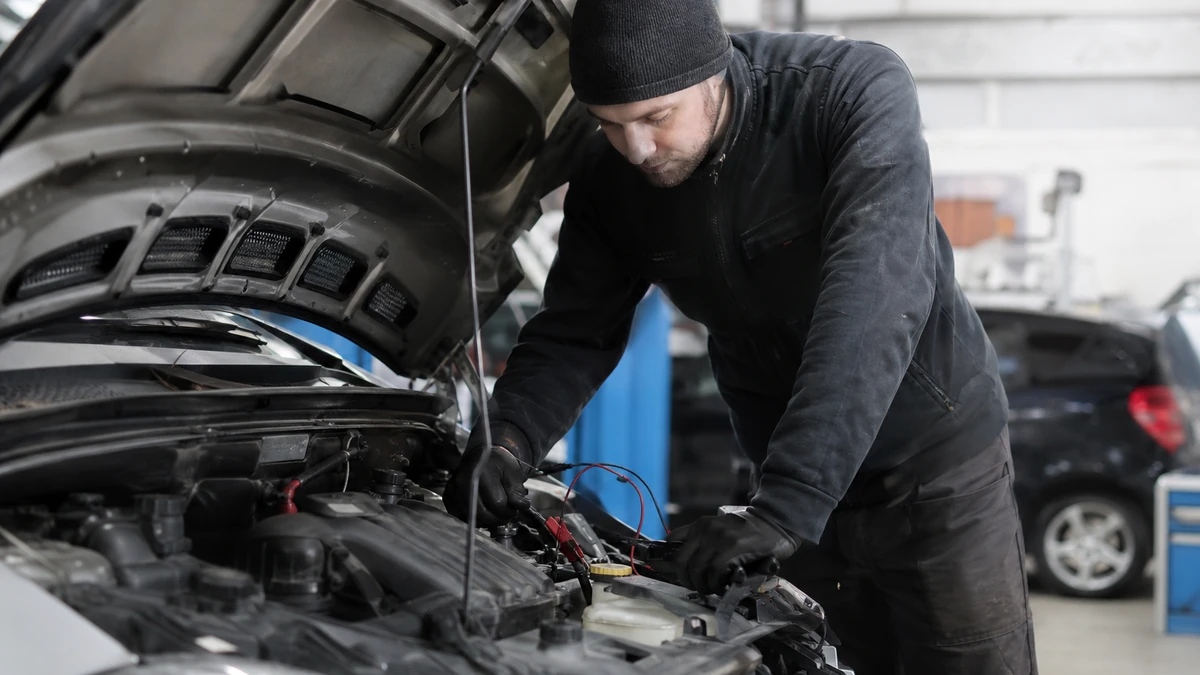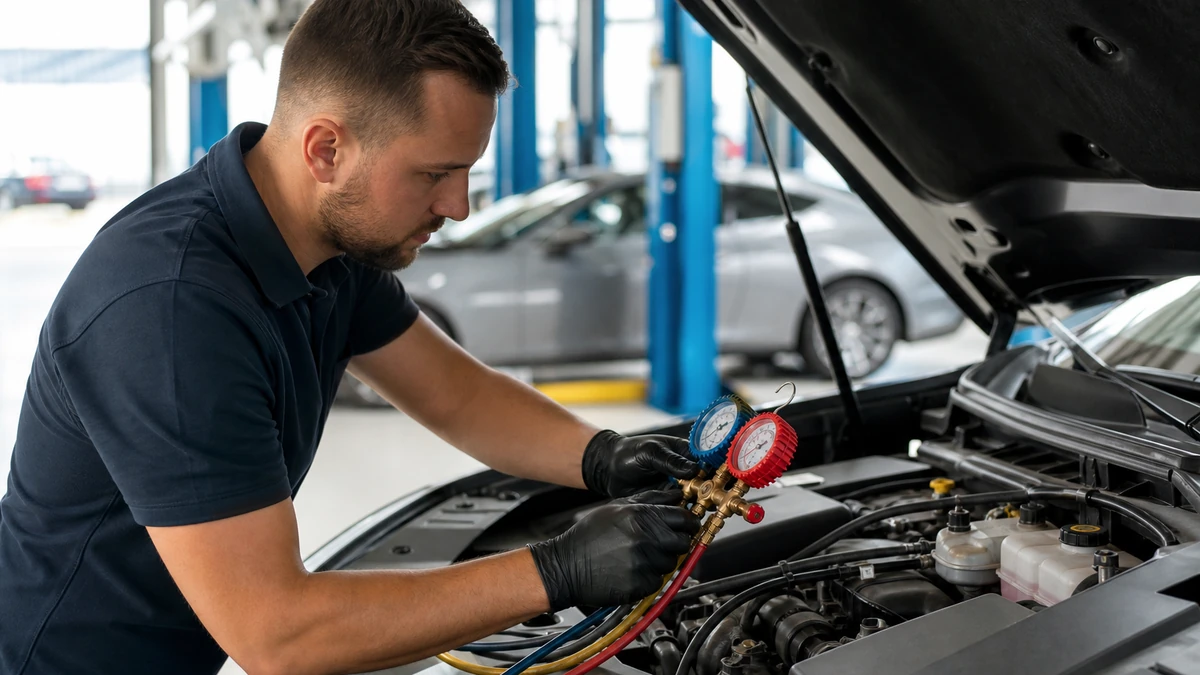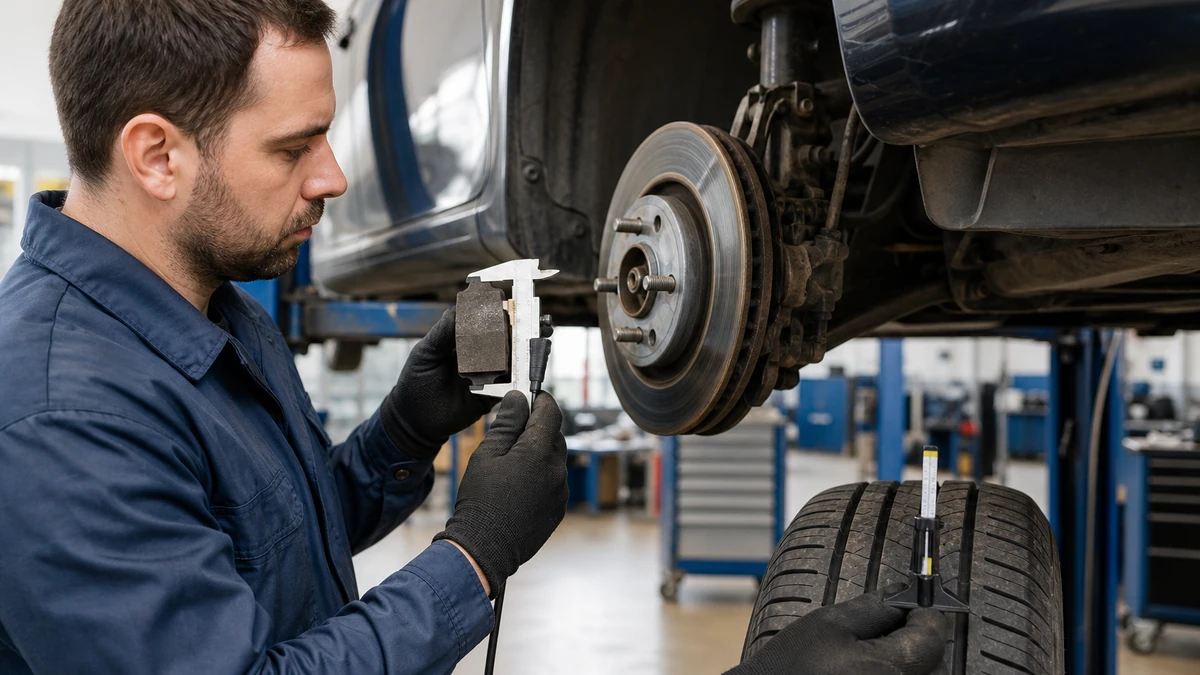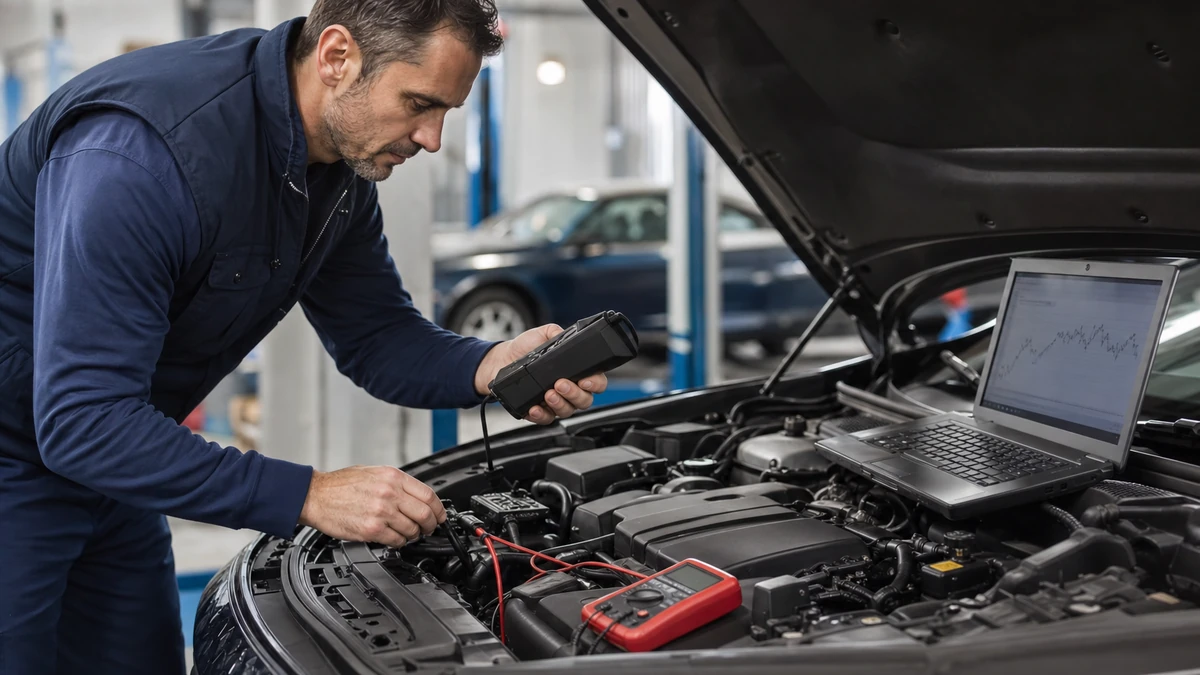
Reading engine scan exports, live data parameter groups, charging circuit readings, and lighting observation fields on post-seasonal diagnostic reports — educational format only.
Scan export literacy for seasonal visits
Comprehensive seasonal diagnostics may include OBD module scans listing stored, pending, and permanent code categories alongside readiness monitor status fields. Educational modules explain code class definitions without interpreting codes for a specific vehicle — licensed technicians correlate codes with physical testing.
Live data parameter groups for fuel trim, coolant temperature, and charging voltage may be captured as snapshots during seasonal inspection. Understanding snapshot context — engine state, ambient temperature, accessory load — supports neutral review of shop documentation.
Auto electrical observation modules
Electrical sections document alternator output under load, battery acceptance readings, ground point visual observation, and lighting aim or output classes where tested. Fuse box inspection notes and parasitic draw retest fields may follow winter battery concerns documented on prior visits.
Vehicles with start-stop systems or mild hybrid components may show additional high-voltage observation boundaries on forms. Educational content highlights safety-relevant field classes and directs readers to manufacturer-qualified facilities when high-voltage observations are noted.
Role of artificial intelligence in learning materials
Editorial workflows may use artificial intelligence to cluster related diagnostic fields and suggest glossary cross-links under human review. This supports information delivery speed — not remote vehicle diagnosis. All AI-assisted organization is subject to the same educational boundaries as manually authored modules.
Using reference modules before shop authorization
Educational modules describe documentation formats, glossary entries, and neutral planning vocabulary for seasonal vehicle review. Content supports orientation and structured shop dialogue — it does not replace hands-on evaluation by a licensed repair facility or manufacturer service procedures.
When observations involve steering, brakes, restraint systems, high-voltage components, or structural assemblies, consult a qualified workshop before authorizing service. Operational decisions remain your responsibility together with your chosen service provider.
Code history and seasonal correlation
Scan exports after seasonal service may list pending codes cleared during visit alongside readiness monitor status. Educational modules separate code class definitions from hands-on test requirements at licensed facilities.
Using cenogenesis as reference before shop authorization
Educational modules on cenogenesis.info describe documentation formats, glossary entries, and neutral planning vocabulary for seasonal vehicle review. Content supports orientation and structured shop dialogue — it does not replace hands-on evaluation by a licensed repair facility or manufacturer service procedures.
When observations involve steering, brakes, restraint systems, high-voltage components, or structural assemblies, we recommend consulting a qualified workshop before authorizing service. cenogenesis explains learning formats and information delivery; operational decisions remain your responsibility together with your chosen service provider.
For terminology questions about this article or related modules, use our contact form. The editorial team responds through a 24/7 message queue from our Denver coordination office at 1801 California Street, Suite 2400, Office 2412, Denver, CO 80202, United States.